

If your mouth is trying to tell you something, it’s better not to ignore its signs.
We all know the feeling — something seems a little off in your mouth, but it’s not quite painful enough to call the dentist. Maybe you’ll wait and see. Maybe it’ll go away on its own. Sometimes it does.
But sometimes, your mouth is sending you an early warning signal that’s worth paying attention to.
Here are five signs that deserve a closer look:
1. Your gums bleed when you brush or floss
A little pink in the sink might seem harmless, but bleeding gums are one of the earliest signs of gum disease (gingivitis). The good news? At this stage, it’s very treatable. The not-so-good news: if ignored, it can progress to periodontitis, which affects the bone supporting your teeth. Healthy gums should not bleed with normal brushing.
2. Your teeth look shorter than they used to
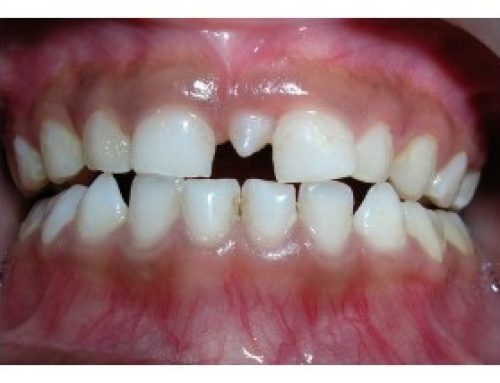
This one surprises people. If your teeth seem to be getting flatter or shorter over time, it could be a sign of bruxism — grinding or clenching, often during sleep. Many people have no idea they grind their teeth until a dentist points out the wear. A custom night guard can protect your teeth before the damage adds up.
3. You have persistent bad breath
We’re not talking about morning breath or post-garlic pasta. Chronic bad breath — the kind that doesn’t go away with brushing — can signal bacteria buildup, gum disease, dry mouth, or even an issue with a tooth that needs attention. It’s one of those things patients often feel embarrassed to bring up, but we hear it all the time, and it’s almost always fixable.
4. A tooth is sensitive to hot or cold
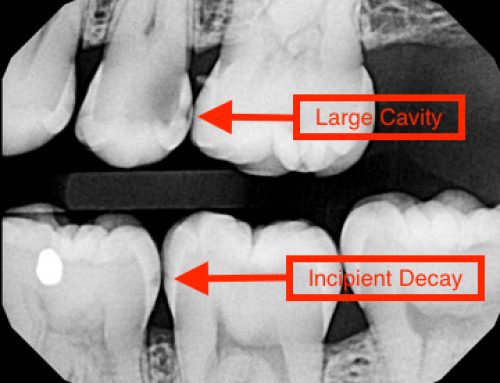
Occasional sensitivity isn’t always a red flag, but if a specific tooth consistently reacts to temperature — especially if the sensation lingers after the hot or cold is gone — it may indicate a cavity, a cracked tooth, or an exposed root. Worth mentioning at your next visit.
5. You notice a white or red patch in your mouth
Canker sores are common and usually heal on their own within two weeks. But a white or red patch that doesn’t go away, or that keeps coming back in the same spot, should be evaluated. Persistent lesions are something we always want to examine, not to alarm you, but because early detection makes a real difference.
The bottom line: None of these signs mean something is definitely wrong — but they’re all worth a conversation. That’s exactly what your regular checkups are for. If anything above sounds familiar, give us a call at (416) 733-7800 or book an appointment online. We’re always happy to take a look. When your mouth is trying to tell you something, don’t ignore its signs.
Dr. Corina Muntean and the team at North York Family Dental have been caring for families in the Yonge & Sheppard area since 2006.






Leave A Comment