

Bruxism – Common signs and symptoms, causes and treatment
This is a very common condition we encounter frequently in our dental office!
Bruxism is the medical term for grinding, gnashing, or clenching your teeth, usually unconsciously. It can happen while awake or during sleep.
There are two main types:
- Awake bruxism – often linked to stress, anxiety, concentration, or habit
- Sleep bruxism – happens during sleep and is considered a sleep-related movement disorder
Common signs and symptoms include:
- Jaw pain or tightness or face pain
- Headaches, especially in the morning
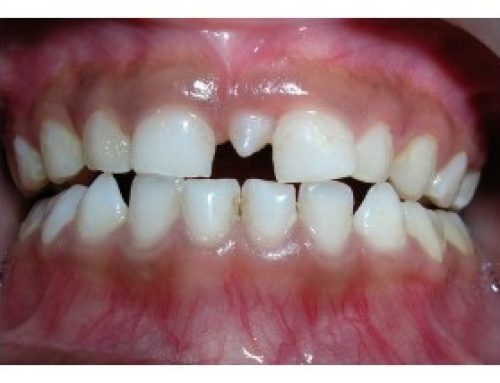
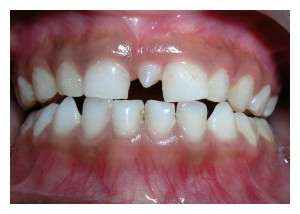
- Worn, chipped, or sensitive teeth
- Gum recessions and abfractions (dents in the root of the tooth)
- Ear pain (without an ear infection)
- Clicking or soreness in the temporo-mandibular joint TMJ
- Poor sleep for you (or a partner who hears the grinding!)
Bruxism can be caused or worsened by:
- Stress and anxiety
- Sleep disorders
- Misaligned teeth
- Caffeine, alcohol, smoking, or stimulant use
- Certain medications (like some antidepressants)
Treatment depends on the cause and severity therefore common approaches include:
- A nighttime mouth guard or splint from a dentist
- Stress reduction techniques
- Improving sleep habits
- Jaw, neck and upper back stretching/relaxation exercises
- Treating related sleep conditions (sleep apnea)
If untreated, severe bruxism can damage teeth and damage the cartilage inside the joint (TMD – temporo-mandibular disorders).
In the next post we will talk about the link between bruxism and sleep apnea. Stay tuned!
The bottom line:
If any of the signs or symptoms above sound familiar — whether it’s morning headaches, jaw tightness, or worn teeth — it’s worth bringing up at your next visit. That’s exactly what your regular checkups are for. Feel free to give us a call at (416) 733-7800 or book an appointment online. We’re always happy to take a look and help you find relief.




Leave A Comment