

This is a question I am asked very often and there is no right or wrong answer, because there are benefits to both ways.
Brushing before or after breakfast is ultimately a personal choice, but the science leans in one direction. Brushing your teeth before you eat breakfast may protect your tooth enamel and overall oral health, compared to brushing after eating.
What Happens in Your Mouth Overnight
When you’re sleeping, your salivary flow decreases, and many people experience dry mouth for various reasons. Saliva helps to buffer out the acidity in your mouth, meaning your teeth are more prone to acid attacks in the morning right when you wake up — not to mention morning breath.
The bacteria in our mouth grows exponentially during the night, which is why you may wake up with bad breath every morning and plaque on your teeth (the white soft film).
The Case for Brushing Before Breakfast
Fluoride makes enamel more resistant to acid attacks, which is particularly beneficial before consuming food or drinks.
Brushing your teeth before breakfast not only eliminates some of those bacteria but also creates a protective layer for the tooth enamel. This protection serves the purpose of keeping the acid in the foods we ingest from damaging your teeth and leading to decay. Brushing your teeth before breakfast can also help produce more saliva, which in turn helps with digestion and kills the bacteria in the mouth.
Brushing first thing in the morning can also help people remember to brush at least twice per day.
The Case for Brushing After Breakfast
Some research actually supports post-breakfast brushing — with the right timing. Post-breakfast tooth brushing reduces the counts of the cariogenic bacteria S. mutans more efficiently than pre-breakfast brushing, because it removes the bulk of bacteria along with food remnants left over from breakfast.
However, timing is everything. Most dentists suggest brushing either before breakfast or 30 minutes after eating. Acids weaken the outer layer of the tooth called the enamel, and brushing while acids are still in the mouth can damage that layer.
The Acid Problem: Why Timing Matters So Much
If you consume acidic foods or drinks such as citrus fruits, those containing vinegar, wine, or carbonation, some experts recommend waiting 30 to 60 minutes. Acids temporarily soften the enamel, and brushing too soon can wear it away. Rinsing with water right after eating is a good alternative in the meantime.
Good news for coffee lovers: coffee is not that acidic, so there is no reason to delay brushing after a cup of joe, according to experts.
Your saliva takes about 30 minutes to buffer out the acids in your mouth back down to safe levels. In the interim, you can swish with either water or an alkaline mouth rinse to help neutralize the acids while your saliva gets to work.
Proper Brushing Technique
Regardless of when you brush, how you brush matters enormously. Here are the key points:
-
- Brush in a vertical motion ( from gum towards the tooth) or gentle circles — scraping your teeth as hard as you can is harmful to your dental health and gets rid of enamel, not just plaque.
- Make sure you cover 2-3 mm of gum with the tooth brush , so that you get to clean the gums surface too
- Adults should use a pea-sized amount of toothpaste and some of the specialty toothpastes do not require rinsing, as you want the active ingredient to work as long as possible ( for example all desensitizing toothpastes).
- Brush for 2 minutes, ensuring you’re covering your front teeth, the sides of your teeth, and the chewing surfaces. Finish by brushing your tongue to remove bacterial residue.
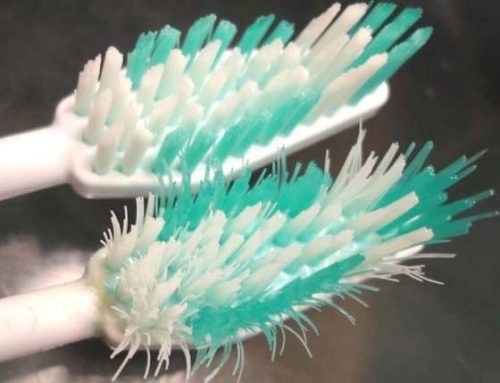
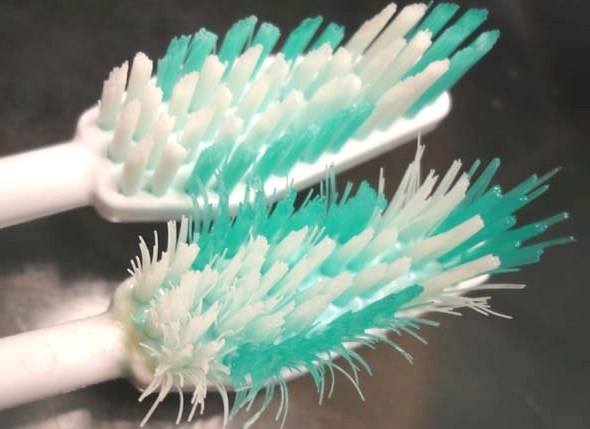
- Choose a toothbrush with soft bristles — there’s a common misconception that a hard toothbrush cleans better, but this is not true. Hard bristles can wear down enamel and cause gums to recede, leading to sensitive teeth.
The Bottom Line
The general expert consensus leans slightly toward brushing before breakfast for most people, as it removes overnight bacterial buildup and adds fluoride protection ahead of eating. Either choice is better than skipping your morning brushing entirely. Consistent twice-daily brushing with fluoride toothpaste and good technique is the foundation of oral health.
A practical summary:
- Brush before breakfast → ideal for enamel protection, especially if your breakfast is acidic
- Brush after breakfast → acceptable, but wait 30–60 minutes, particularly after acidic foods or drinks
- Can’t wait? → rinse with water or chew sugar-free gum in the meantime
My personal choice?


Leave A Comment